

Why Insurance Companies Often Raise Concerns About Polybutylene Pipes and Challenger Electrical Panels
One of the more surprising moments during a real estate transaction occurs when a buyer discovers that obtaining homeowners insurance may not be as straightforward as expected.
The home may look beautiful. The roof may be in good condition. The location may be ideal.
Then the insurance company asks a question about the plumbing or electrical system.
Two items that frequently draw attention from insurers are polybutylene plumbing pipes and Challenger electrical panels. While many homes containing these components have operated for years without issue, insurance carriers often view them as higher-risk systems due to their historical performance.
Let's take a closer look at why.
What Are Polybutylene Pipes?
Polybutylene, often referred to as "PB piping," is a flexible gray plastic plumbing material that was commonly installed in residential construction from the late 1970s through the mid-1990s.
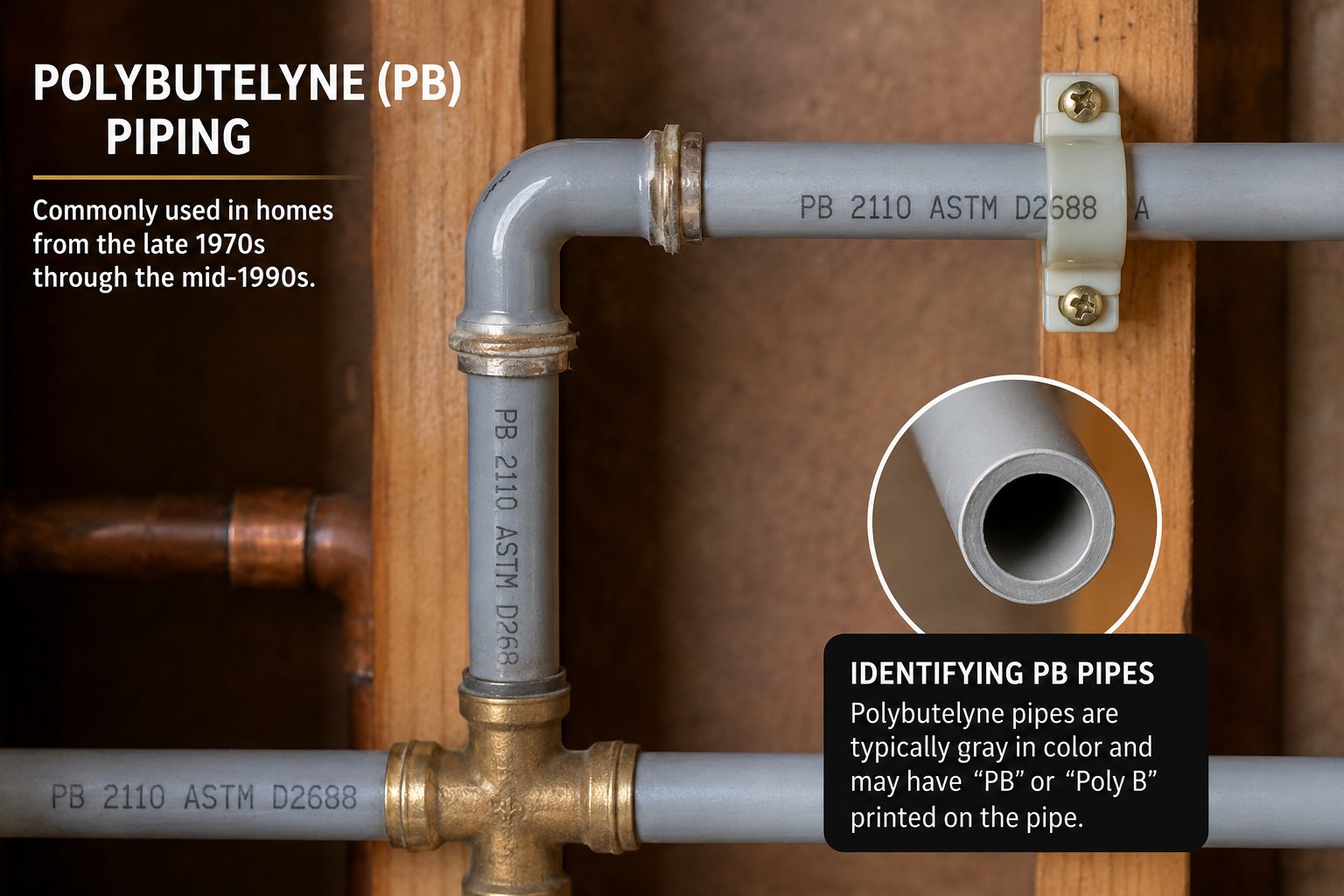
At the time, it was considered a cost-effective alternative to copper piping and was installed in millions of homes throughout the United States.
Unfortunately, over time, concerns began to emerge.
Why Insurance Companies Worry About Polybutylene
Research and real-world experience revealed that polybutylene pipes could deteriorate internally when exposed to certain chemicals commonly found in municipal water systems.
The deterioration often occurs from the inside out, meaning the pipes may appear perfectly fine while weakening internally.
Potential issues include:
-
Unexpected pipe failures
-
Water leaks inside walls
-
Water damage claims
-
Mold remediation expenses
-
Hidden plumbing failures
From an insurance company's perspective, water damage claims are among the most expensive and frequent homeowner claims. As a result, some carriers may:
-
Decline coverage altogether
-
Require pipe replacement before issuing a policy
-
Charge higher premiums
-
Request additional inspections
What Is a Challenger Electrical Panel?
Challenger electrical panels were commonly installed in homes during the 1980s and early 1990s.
While many Challenger panels continue functioning without incident, certain models and breaker components have generated concern among electricians, inspectors, and insurance companies.
Why Insurance Companies May Flag Challenger Panels
The primary concern involves reports that some breakers may fail to trip properly during overload or short-circuit conditions.
Circuit breakers are designed to act as the home's electrical safety system. When functioning properly, they shut off power when unsafe conditions occur.
If a breaker does not operate as intended, the risk of overheating or electrical damage can increase.
Insurance carriers generally evaluate risk, and any component with a history of potential electrical safety concerns may receive additional scrutiny.
As a result, some insurers may:
-
Request replacement of the panel
-
Require evaluation by a licensed electrician
-
Apply underwriting restrictions
-
Charge higher premiums
Does This Mean the Home Is Unsafe?
Not necessarily.
A common misconception is that the presence of polybutylene piping or a Challenger panel automatically means a home is unsafe.
That is not always the case.
Many homes containing these components have functioned for decades without significant issues.
However, insurance companies operate differently than homeowners. Their decisions are based on risk management and historical claims data rather than whether a particular system has experienced problems to date.
In other words, insurers are often evaluating the probability of future claims rather than the current condition alone.
What Buyers Should Do
If a home inspection identifies either of these items, buyers should avoid panicking.
Instead, consider the following steps:
Obtain Insurance Quotes Early
Before finalizing a purchase, speak with insurance providers to determine how the systems may impact coverage options and pricing.
Consult Qualified Professionals
Licensed plumbers and electricians can evaluate the condition of these systems and provide recommendations regarding replacement or upgrades.
Understand Replacement Costs
Knowing the potential cost of future improvements can help buyers make informed decisions and negotiate effectively.
Consider the Bigger Picture
A home should be evaluated as a whole.
Many excellent properties in Naples and throughout Southwest Florida were built during periods when these materials were commonly used. The presence of one of these components does not automatically make a property a poor investment.
What Sellers Should Know
If you're considering selling a home with polybutylene piping or a Challenger panel, addressing these items before listing may broaden the pool of potential buyers.
Many buyers become concerned when insurance complications arise late in the transaction.
Proactively replacing these systems can:
-
Reduce buyer concerns
-
Improve insurability
-
Minimize delays
-
Potentially strengthen negotiating leverage
Final Thoughts
Polybutylene plumbing and Challenger electrical panels are two examples of components that frequently attract attention during the insurance underwriting process.
The concern isn't necessarily that every system will fail. Rather, insurance companies evaluate long-term risk based on historical performance and claim trends.
For buyers, understanding these issues early can prevent surprises during the transaction. For sellers, being aware of potential insurance concerns can help create a smoother sales process.
As with any real estate decision, the best approach is to gather information, consult qualified professionals, and evaluate the property as a whole rather than focusing on a single component.
Thinking about buying or selling in Naples?
Protect your investment with a trusted local expert by your side.
📞 Call Brian J Giacomello at 239-281-5269
📧 Email: [email protected]
William Raveis Real Estate | 720 5th Ave S. #201 Naples FL 34102