Imagine locking the door, catching a flight, and knowing your Naples home is handled. That is the promise of lock-and-leave living at Mercato in North Naples, where your daily essentials, dining, and entertainment sit steps from your front door. If you want low maintenance without giving up lifestyle, you are in the right place. In this guide, you will learn how Mercato works, what to expect at The Strada condos, the pros and tradeoffs, and a smart buyer checklist to move forward with confidence. Let’s dive in.
What is Mercato Naples
Mercato is a 50-plus acre, mixed-use lifestyle center in North Naples along the Vanderbilt Beach and US-41 corridor. It blends shopping, dining, entertainment, and upper-floor residences in a walkable main-street layout. Anchors like Whole Foods Market, Nordstrom Rack, and a multiplex cinema sit onsite, with coffee shops, boutiques, and restaurants woven throughout the campus. You can get a feel for the vibe and event energy from the public reviews and photos of walkable shopping, dining, and events at Mercato.
Mercato’s design was planned in the late 2000s with a true mixed-use footprint, including multiple parking decks and public event spaces. That history explains the active street scene and the availability of structured parking across the campus, useful context when you weigh convenience, noise patterns, and guest access. You can see background on the development scale from this construction trade feature on the original mixed-use design.
Why lock-and-leave at Mercato
- Low-maintenance living. In-center residences like The Strada are marketed to simplify ownership. Typical HOA coverage includes exterior building care and shared-area upkeep, which means fewer vendors for you to manage from afar. The Strada building profile highlights that turnkey model for owners who want easy living.
- Onsite services that matter. Many listings and building pages note onsite management or a resident manager, controlled access, and security. Shared amenities, such as a rooftop pool and spa, fitness center, storage, and EV charging, reduce day-to-day errands and logistics.
- Walkability at your door. With grocery, restaurants, and a cinema inside the complex, you can land at RSW, arrive at your condo, and handle most of your week on foot. That ease is a big win for seasonal owners and busy professionals.
- Built-in social life. Mercato runs frequent public events and programming that add energy for owners who enjoy an active scene. It is a positive for many, and a planning point for sound-sensitive buyers.
Inside The Strada condos
The Strada at Mercato is the primary residential offering inside the complex. It is a mid-rise condominium community with about 92 units, built around 2009, with five stories of condo living above the retail streetscape. The Strada building page outlines the lifestyle and amenities that draw lock-and-leave buyers.
- Floor plans. One to three bedrooms are common, plus a handful of larger three-bedroom or flex layouts. Reported ranges include roughly 980 to 1,480 square feet for one-bed units, 1,400 to 1,650 for two-bed units, and 2,100 to 2,600-plus for three-bed units. Most homes include balconies and in-unit laundry.
- Amenities. Residents enjoy a rooftop heated pool and spa, fitness center, climate-controlled storage options, and card or code-controlled access. Building pages also note EV charging in the garage.
- Impact protection. Listings and building profiles often cite high-impact windows and doors. That is a key feature for owners who travel during storm season.
Parking, storage, and EV charging
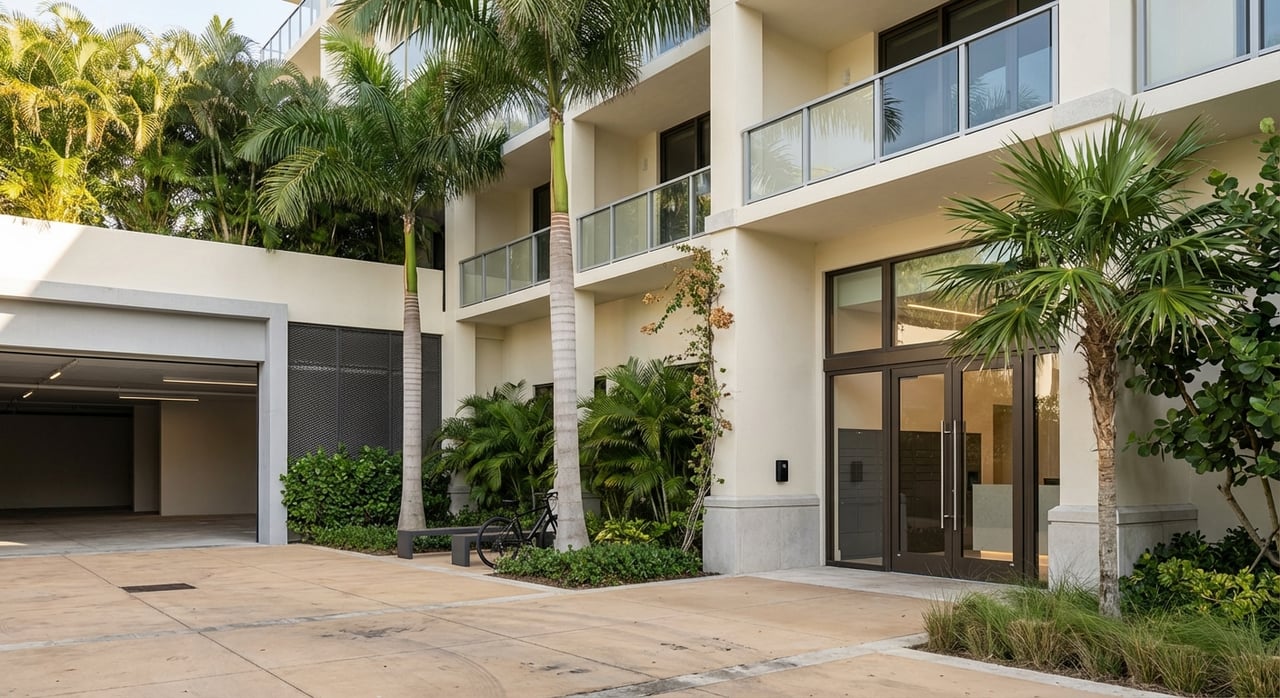
Parking is a standout convenience at Mercato. The Strada typically offers secure, covered or subterranean assigned parking. Many listings note two reserved garage spaces per unit, a valuable perk for a second home. The Strada profile is a good reference for typical parking and storage features.
Across the wider campus, there are surface lots and multi-level decks designed for retail and event peaks. This is great for guest access, but you will want to confirm your exact unit’s assigned spaces, guest parking rules, and whether storage rooms or EV chargers are deeded or common amenities.
Noise, events, and orientation
Mercato hosts a steady event calendar, such as live music nights and “Movies on the Lawn,” plus recurring gatherings like Cars & Coffee 239. These programs make the area lively and social, which many residents love. If you are sound-sensitive, unit orientation matters. Homes facing the public lawn or busier streets may experience more ambient activity than interior or quieter sides.
A smart tip is to tour at different times. Visit on a weekday, after 6 p.m., and during an event to understand your comfort level with evening sound and foot traffic. You can preview the scene via public event reviews and photos before you go.
Mercato vs. suburban homes
If you are comparing Mercato to a traditional North Naples neighborhood, here is how the lifestyles differ in practical terms:
- Maintenance and chores. At The Strada, the HOA handles exterior maintenance, landscaping, pool upkeep, and trash, which reduces your to-do list. In a single-family home, you or your vendors handle lawn care, pool service, exterior repairs, and storm prep.
- Space and privacy. Suburban homes typically deliver more total square footage, a private yard, and a personal garage. Mercato condos trade those for convenience and walkability.
- Walkability and nightlife. Mercato’s restaurants, grocery, and entertainment sit at your door. Suburban areas are usually quieter in the evenings, with more driving for errands or dining. If you prioritize quiet nights, your unit’s orientation at Mercato will matter.
- Parking and vehicles. Condos rely on assigned covered spaces that are secure and convenient for short stays, but may be tighter for large gatherings. Single-family homes offer private driveways and garages, which can suit larger households or gear.
- Insurance and regulations. Florida condominiums face building-level milestones, Structural Integrity Reserve Studies, and master policy dynamics that can affect owner costs. Staying current on these items is part of smart condo ownership. For context on statewide condo requirements, review this resource on Florida milestone inspections and SIRS.
Smart due diligence checklist
Before you make an offer on a Mercato condo, request and review these items. They shape both your monthly costs and your peace of mind.
- Financials and reserves. Ask for the current HOA budget, the last three years of financial statements, reserve study, and recent meeting minutes. These are standard documents outlined by MIAMI REALTORS.
- Insurance overview. Request the association’s master policy summary, including wind coverage and deductibles, and clarify what is covered by the association versus the owner. See guidance on policy reviews in this condo buyer checklist.
- Rental and use rules. If you plan to lease your unit, verify minimum lease terms, caps, and registration or approval steps. Rules vary by association and affect financing and resale. The same condo checklist explains why these details matter.
- Estoppel and assessments. Request an estoppel letter or written disclosures on any past due amounts, special assessments, or planned projects. See the standard documents list for what to expect.
- Parking, storage, and EV charging. Confirm your unit’s assigned space numbers, guest parking rules, and whether storage or EV chargers are deeded or common. The Strada building page is a helpful reference when you verify with the association.
- Hurricane readiness. Ask about impact glass, wind-load standards, and master policy coverage for the exterior envelope. Get wind and flood insurance quotes based on your exact unit location. For context on how fees and deductibles affect carrying costs, see this overview of HOA fees and assessments in South Florida condos.
- Visit timing. Tour during the day, evening, and a public event to experience real-time sound and foot traffic. Preview the scene with public reviews and event photos.
Who Mercato fits best
- Seasonal owners who want to fly in, enjoy the beach-town lifestyle, and keep maintenance simple.
- Professionals who value a walk-to-dinner, walk-to-grocery location and a low-commute routine.
- Investors who plan seasonal or annual rentals, provided association leasing rules align with their goals.
If you want a private yard, space for multiple vehicles or recreational gear, or very quiet evenings, a nearby single-family home may suit you better. If you prefer convenience, design-forward condos, and daily walkability, Mercato is a strong fit.
Next steps
Lock-and-leave living at Mercato offers an easy Naples lifestyle with real substance behind the convenience. The key is matching the right floor plan, orientation, and HOA profile to your goals, then verifying the documents that protect your investment.
If Mercato is on your shortlist, let a local expert guide your search, arrange focused tours, and help you evaluate HOA and insurance details. Reach out to Brian J Giacomello, LLC to start a tailored plan for your Naples home. Start Your Success Story.
FAQs
What makes Mercato ideal for second-home owners in Naples?
- You get low-maintenance condos, onsite essentials like grocery and dining, and building services that simplify ownership when you are away.
Are The Strada condos hurricane ready?
- Listings and building pages commonly note high-impact windows and doors, and you should confirm wind coverage details in the association’s master policy.
Can you rent out a condo at Mercato?
- Many associations allow leasing with rules, so verify minimum lease terms, any caps, and approval steps before you buy.
How much parking do Strada units include?
- Many units list two assigned garage spaces, but you should confirm exact space numbers and guest parking rules with the association.
How do Mercato events affect daily life?
- Events add a fun, social energy, and sound-sensitive buyers should tour in the evening and on an event day to gauge comfort with ambient noise.
What documents should you review before buying a Mercato condo?
- Ask for the HOA budget, reserves, financial statements, meeting minutes, rental rules, insurance summaries, and an estoppel letter to check assessments.