
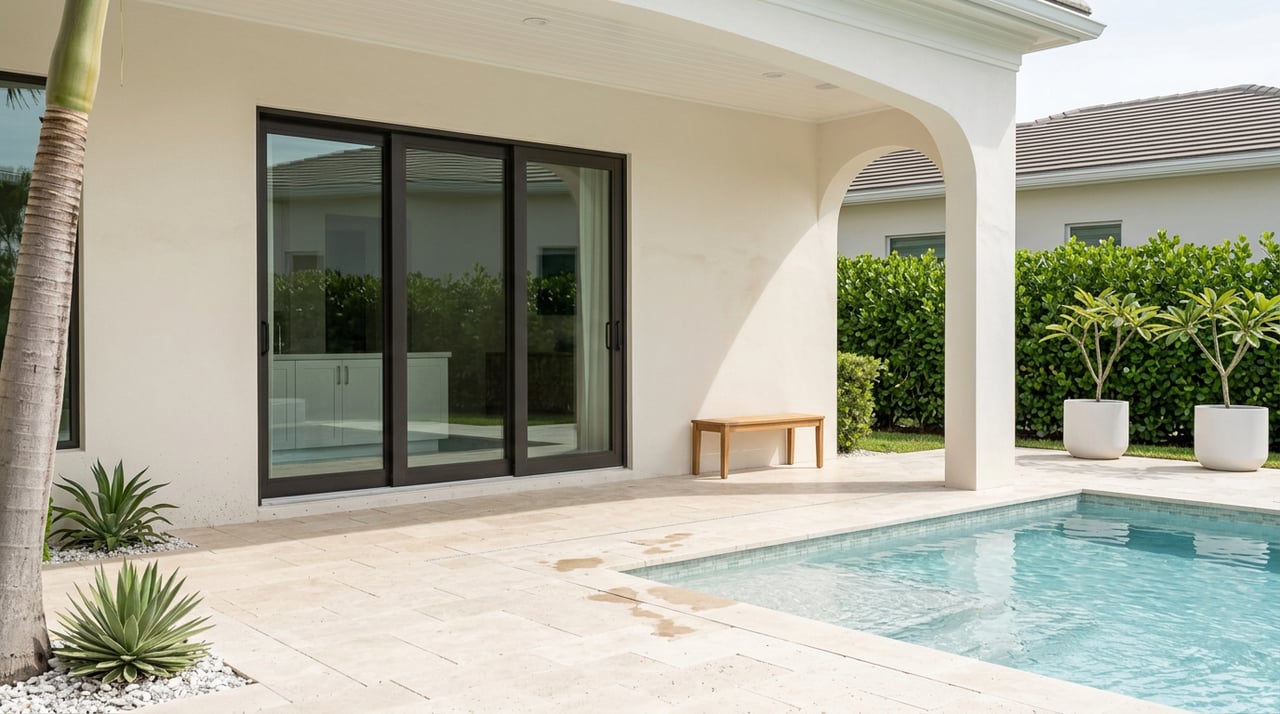
Torn between remodeling an older Port Royal estate and starting fresh with new construction? You are not alone. In this waterfront enclave, the smartest choice often hinges on approvals, flood rules, and seawall realities more than personal taste. In this guide, you will learn how Port Royal’s Association, City zoning, floodplain and marine permits shape your options, plus a simple framework to decide which path delivers the best result for your lot and lifestyle. Let’s dive in.
Port Royal controls that shape your plan
PRPOA approvals are required
Port Royal is governed by recorded deed restrictions and an active Property Owners’ Association. Most exterior work, including teardowns and new builds, requires written approval from the Port Royal Property Owners’ Association before you apply for City permits. The Port Royal deed restrictions outline design standards, shoreline limits, minimum floor sizes, and rules for docks and seawalls. The PRPOA also runs a dedicated building review process and may require your architect and builder to be approved. Budget both time and fees for this step.
City zoning sets your build envelope
Port Royal parcels sit in the City of Naples R1-15A single-family district. These rules define setbacks, a 30-foot maximum height standard, building-area percentages, and minimum lot sizes and widths. For planning, rely on a current survey to translate code into a buildable footprint. You can review the City’s standards in the R1-15A zoning code. Recent City actions also refined pier and dock rules, so confirm current limits before assuming a precedent applies.
Docks and seawalls get special scrutiny
Waterfront estates must address seawall and dock condition up front. The PRPOA publishes specific riprap and seawall procedures that call for certified surveys, as-builts, and review fees. The City has advanced dock and pier amendments through public hearings, so lengths and siting standards may have changed. If your plan involves a new or longer pier, review recent agendas on City dock and pier amendments and coordinate early with the PRPOA.
Floodplain, code and marine rules
The FEMA 50 percent rule can flip a remodel
If your renovation equals or exceeds 50 percent of the home’s pre-project market value, the work is a “substantial improvement.” That typically requires bringing the structure up to current flood standards, which can mean elevating the lowest floor, adding flood vents, or using flood-resistant materials. This trigger often turns a light remodel into a full code-compliance project. Review FEMA’s guidance on the 50 percent rule and get an appraisal plus detailed cost estimates before you assume a remodel will pencil.
Confirm your flood zone and elevation
Flood zones vary across Port Royal, and requirements differ by designation. Before you decide on scope, confirm your flood zone and base flood elevation for the exact address using FEMA’s Flood Map Service Center. Elevation data and a current Elevation Certificate, if available, will guide whether elevation or floodproofing is required.
Current Florida Building Code applies
The 2023 (8th) Edition of the Florida Building Code is in effect, with updated wind, energy, and flood provisions. Large remodels that cross “substantial improvement” thresholds may be reviewed under the existing-building chapters or full new-construction standards. Expect structural, wind-resistance, and moisture-resilience upgrades on significant scopes. See highlights of the 2023 Florida Building Code.
Marine permits may be required
New seawalls, shoreline stabilization, dredging, or enlarging a dock footprint generally require state and federal review. The USACE Jacksonville District outlines regulated activities and biological considerations in its programmatic materials. If your project touches the shoreline, plan for multi-agency coordination and longer timelines. Start with the USACE’s JAXBO reference.
Lot, architecture and market realities
Lot size, width and frontage drive value
In Port Royal, water frontage length, orientation, and view corridor drive desirability. Lot size and width also tie directly to building-area percentages and setbacks under R1-15A. A current certified survey is your foundation to convert code rules into a real-world footprint. Review the R1-15A code section with your architect to understand what a replacement home could be.
Style and approvals go hand in hand
From contemporary coastal to transitional Palm Beach influences, many architectural styles fit Port Royal. The key is aligning design with PRPOA standards and municipal code. Choose an architect and builder with recent PRPOA approvals so your exterior design, materials, and rooflines are more likely to gain quick support. The PRPOA’s building page outlines submittal expectations and the approval sequence.
Decision framework: remodel or rebuild?
When remodeling usually makes sense
- The foundation, slab elevations, and major systems are sound, and required flood improvements are modest enough to stay below the 50 percent threshold described by FEMA.
- The seawall and dock are in good condition or inexpensive to repair per PRPOA procedures for riprap and seawalls.
- The existing footprint and orientation already capture your primary view and indoor-outdoor living goals.
- You prefer a faster path that preserves mature landscaping and avoids a complete redevelopment schedule.
When a teardown and new build usually wins
- The home is functionally obsolete, repeatedly storm-impacted, or cannot be cost-effectively elevated to current standards once you consider the FEMA 50 percent rule.
- The lot can support a materially improved footprint, elevation strategy, and mechanical systems designed to the 2023 Florida Building Code.
- Shoreline, drainage, and foundation needs point to a clean-slate design rather than piecemeal retrofits.
- You are willing to navigate PRPOA and City reviews to realize the full potential of a rare lot.
Due diligence before you write an offer
Order these items early so you can price both paths with confidence:
- Certified boundary and topographic survey, including platted waterfront lines and easements. Cross-check against R1-15A zoning.
- FEMA Flood Map and BFE confirmation for the address through the Flood Map Service Center. Obtain an Elevation Certificate if one exists.
- PRPOA file and recorded use restrictions, including any variances or active correspondence. Review the deed restrictions.
- Seawall and dock condition report with elevations and as-builts aligned to PRPOA’s riprap checklist.
- Structural engineer’s evaluation of the foundation, slab elevations, and wind-flood history.
- City permit history, prior plans, and any special conditions. See City Building Department resources on plan review and fees.
- Title review for easements, riparian rights, and recorded covenants affecting pools, docks, or shoreline work.
Build the right team
- Buyer’s agent experienced with Port Royal, PRPOA procedures, and City of Naples reviews.
- Florida-licensed architect with recent PRPOA approvals and coastal project experience. See the PRPOA’s building guidance.
- Structural and geotechnical engineers with elevated foundation and seawall interaction expertise.
- Marine contractor versed in PRPOA seawall and riprap submittals.
- Permitting consultant or civil engineer familiar with City floodplain review and state and federal marine coordination.
- Surveyor for boundary, topo, and as-built certifications.
- Real estate attorney for covenants, PRPOA compliance, and permit contingencies.
Ask each professional for recent Port Royal references, expected review timelines, and whether your scope is likely to trigger “substantial improvement” under FEMA’s 50 percent rule. Request preliminary budgets for both a major remodel and a ground-up build so you can compare apples to apples.
Timeline and cost drivers
Typical timeline
- Pre-purchase investigations and reports: 2 to 6 weeks, depending on access and contractor availability. PRPOA seawall submittals require specific surveys and as-builts per the riprap procedures.
- PRPOA review cycles: weeks to months depending on completeness. See PRPOA building review.
- City plan review and building permit issuance: allow several months for custom luxury projects; see City notes on plan review and fee schedules.
- State and federal marine permitting: often adds months and can require biological reports. See USACE’s JAXBO reference.
Common cost drivers
- PRPOA review fees, including small surcharges outlined in the riprap guidelines.
- City plan review and permit fees; see current City fee tables.
- Seawall and dock repair or replacement, plus any mitigation triggered by state or federal review.
- Elevation and structural upgrades required if you cross the FEMA 50 percent threshold.
Smart contract terms
- Make your offer contingent on PRPOA file review and, where possible, a letter of conditional support for your intended scope. Start with the PRPOA deed restrictions.
- Include contingencies for seawall and dock condition, plus written cost estimates aligned to PRPOA procedures.
- Require confirmation of flood zone, BFE, and whether the planned remodel would be a substantial improvement under FEMA rules.
- If marine or shoreline work is foreseeable, build in time for City, state, and federal approvals or negotiate seller credits to offset known remediation.
Quick checklist
- Pull the FEMA panel and Elevation Certificate, then verify zone and BFE via the Flood Map Service Center.
- Order a current survey and seawall inspection before you submit an offer.
- Ask for PRPOA history, prior approvals, and any outstanding violations. Start with PRPOA’s building resources.
- Have your architect sketch both: a remodel within likely 50 percent thresholds and a code-compliant new build on the same lot.
Choosing between remodeling and rebuilding in Port Royal is a technical decision as much as a design choice. When you anchor your plan in PRPOA standards, City zoning, floodplain rules, and seawall feasibility, your path becomes clear and your budget more reliable. If you want a seasoned local partner to quarterback the process, connect with Brian J Giacomello, LLC to align the right team, approvals, and timeline around your goals.
FAQs
What is the PRPOA approval process in Port Royal?
- Most exterior work requires PRPOA design review and written approval before City permits. Expect to submit plans, materials, and builder information as outlined on the PRPOA’s building page.
How does the FEMA 50 percent rule affect a Port Royal remodel?
- If renovation costs reach at least 50 percent of the structure’s pre-project market value, the home must meet current flood standards, which can require elevation and other upgrades. See FEMA’s 50 percent rule guidance.
What does Naples R1-15A zoning control for my lot?
- R1-15A sets setbacks, height limits, building-area percentages, and dock standards that define your buildable envelope. Review the R1-15A zoning code with your surveyor and architect.
Do I need permits to repair a dock or seawall in Port Royal?
- Yes. PRPOA has specific riprap and seawall procedures, and marine work may require state and federal approvals. Start by reviewing USACE’s JAXBO reference.
How long does it take to permit a new home in Port Royal?
- Allow several months for City plan review in addition to PRPOA review and any marine permits. See City notes on plan review and fee schedules.
How do I confirm my flood zone and base flood elevation?
- Search your address on FEMA’s Flood Map Service Center and request any existing Elevation Certificate from the seller or City records.